
Units per carton
State how many saleable boxes or component sets are packed in each export carton.
Australian buyers · Export carton evidence · Like-for-like freight scope
Compare delivery quotes only after the box version and packing method are clear. This checklist connects the approved packaging, master-carton data, destination, receiving conditions and written responsibility boundary.
A freight amount is not comparable when the suppliers are quoting different structures, carton quantities, routes or destination services.
1. Lock the packaging version
Record the finished external size, supplied form and insert or accessory pack-out for the exact version being quoted. If one supplier changes a fixed box to a foldable structure, reduces the insert or packs components separately, show it as an alternative—not as the same freight basis.
Check the packaging specification| Version input | Confirm before freight comparison |
|---|---|
| Finished packaging | Closed external L × W × H, structure and whether the box is fixed or foldable |
| Product and insert | Product configuration, insert material, openings and components packed with the box |
| Supplied form | Assembled, flat-packed or separately packed; identify any assembly step after arrival |
| Order breakdown | Quantity for each size, artwork version and destination allocation |
2. Master-carton evidence
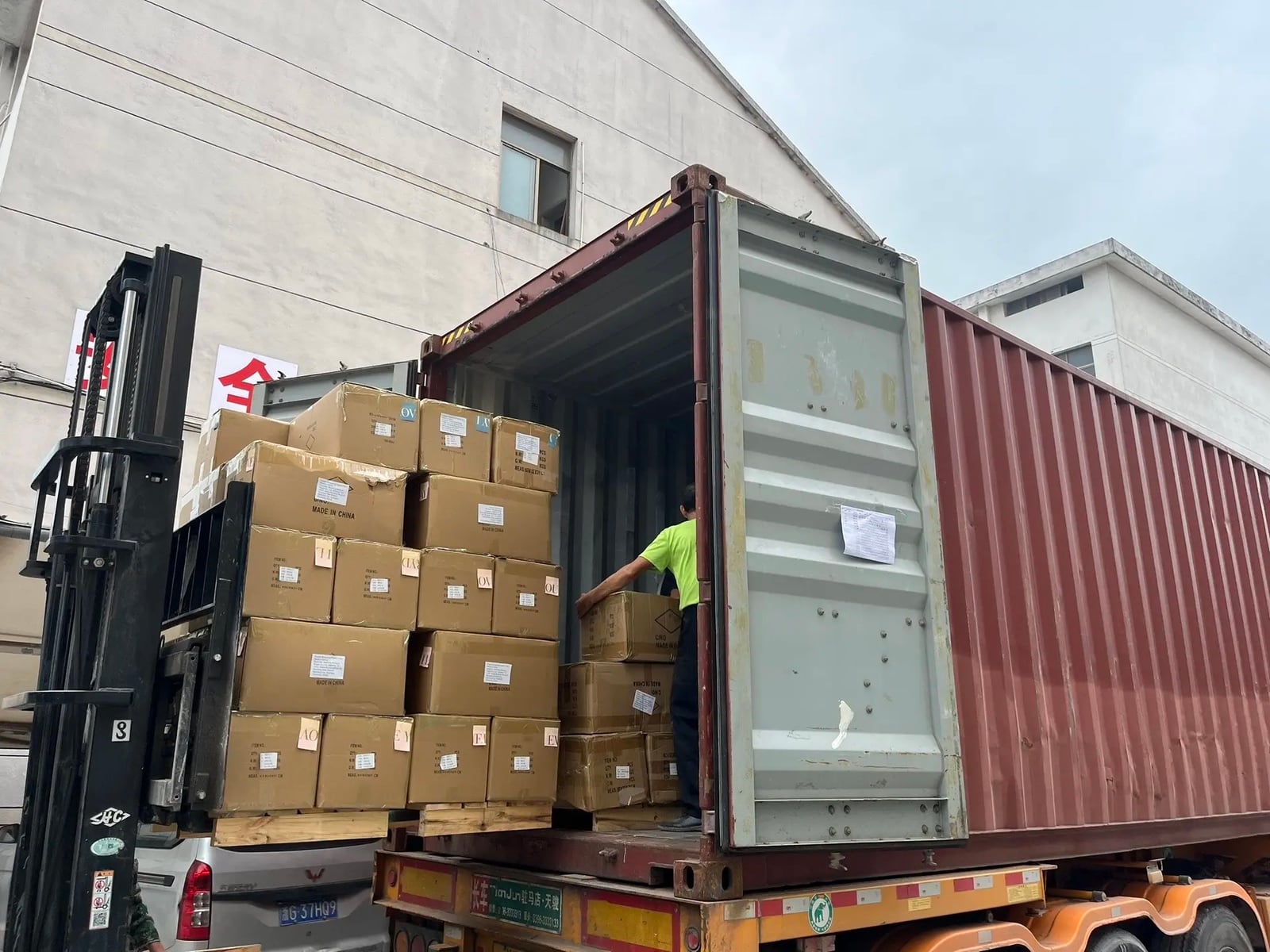
A total freight amount is easier to verify when the quotation includes the units per carton, carton dimensions, gross weight and total carton count for the approved packaging version.
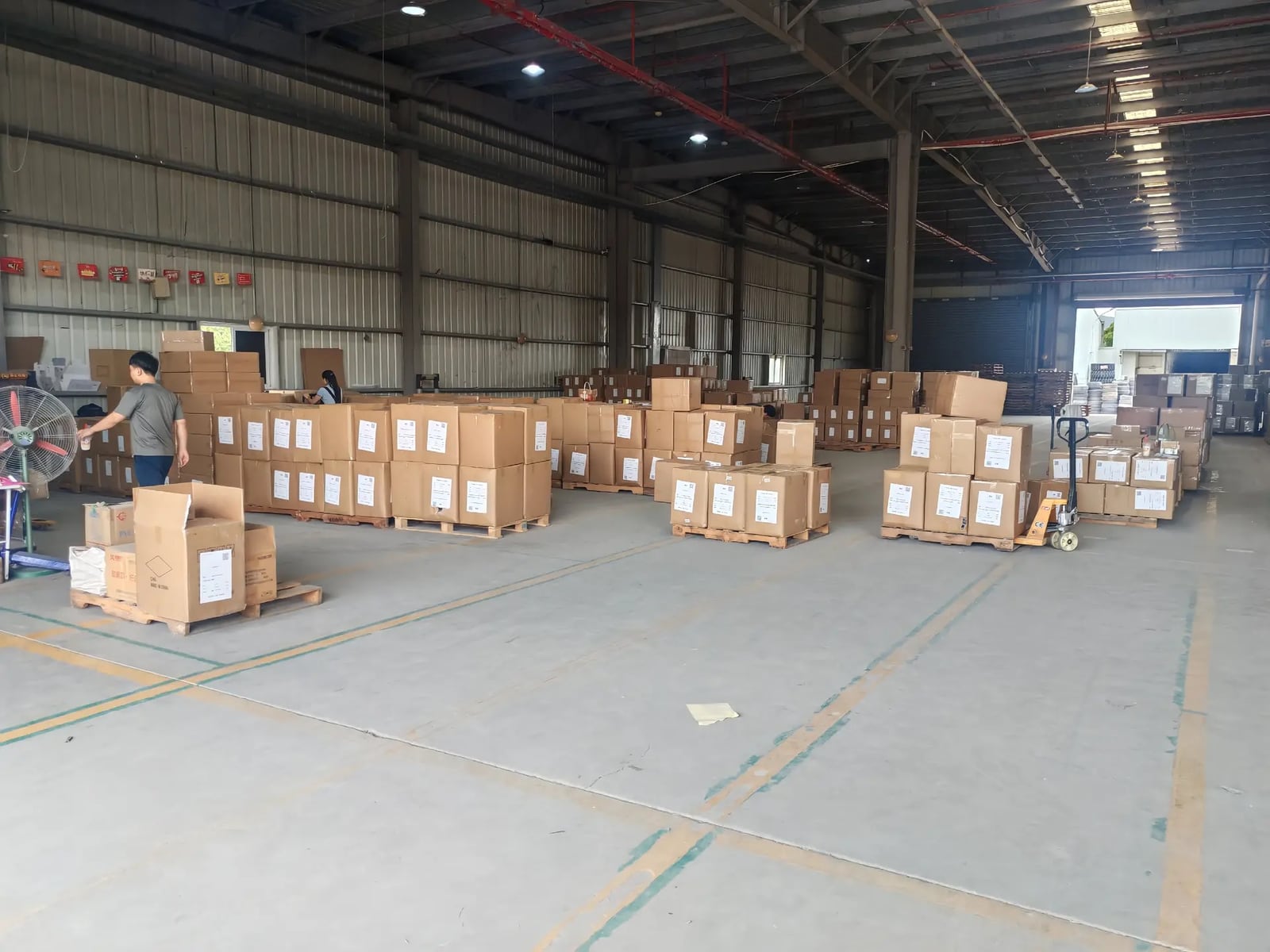
State how many saleable boxes or component sets are packed in each export carton.
Record external carton L × W × H for the final packing method, not an unconfirmed estimate.
Include gross weight and the inner protection needed for the structure, finish and accessories.
Show carton count, combined volume, destination allocation and any pallet assumption separately.
3. Route and responsibility boundary
Ask each supplier to state what the freight amount covers. Duties, taxes, import entry, broker activity, local delivery and warehouse services should not be assumed from a destination postcode or a short shipping label.
| Scope layer | Record in the quotation | Do not assume |
|---|---|---|
| Origin | Pickup or departure point, export packing basis and any included origin handling | That the packaging unit price includes freight or origin fees |
| Transport | Proposed mode, routing basis and the shipment data used for the estimate | That two amounts use the same method or service level |
| Australian destination | Named suburb or postcode, commercial or other receiving type and final quoted point | That a postcode includes every local delivery or access service |
| Import responsibility | Party responsible for import entry, broker instructions, duties, taxes and required records | That these items are included unless the written scope says so |
| Final receiving | Appointment, time window, loading access, carton labels and delivery contact supplied by the receiver | That a warehouse accepts any vehicle, pallet or label format |
4. Fixed or flat-packed structure
A fixed rigid box arrives ready to fill but uses its finished three-dimensional volume. A foldable magnetic box can pack flatter before use, but the buyer, packing team or fulfillment partner must assemble it. Neither format is automatically lower cost for every project.
Compare the same product, insert, artwork, quantity and finish, then add the actual assembly, component packing, master-carton and receiving requirements. Use the Australian magnetic box guide to check fixed and foldable approval differences.
| Decision | Fixed rigid box | Foldable magnetic box |
|---|---|---|
| Supplied form | Finished three-dimensional structure | Flat before final assembly |
| Buyer-side work | Product loading and accessories | Box assembly, then product loading and accessories |
| Freight comparison | Use confirmed master-carton data, route, destination and scope for each approved version | |
| Release evidence | Approved loaded sample, packing method, carton record and written open issues | |
A freight brief you can send
Keep the packaging drawing or configuration ID attached so a freight revision does not silently change the approved retail packaging.
Structure, finished size, supplied form, insert, accessories and quantity by design.
Units, carton L × W × H, gross weight, total count and inner protection.
Origin, destination, mode, included handling and written import responsibility.
Postcode, allocation, appointment or access rules, labels and open assumptions.
Ready to quote the full packaging project? Open the Australian custom packaging enquiry form → and include the carton and destination facts already available.
A comparable freight quote uses the same packaging version, carton evidence, route and receiving scope.
Next step
Unknown carton data can remain marked for confirmation, but each supplier should answer the same open question. This keeps an early estimate separate from the final packed-shipment basis.
Request a packaging quotationAustralian freight quote FAQs
Use the same approved packaging version and record units per master carton, carton length, width and height, gross weight, total carton count, any inner protection and whether boxes or components are supplied flat or assembled.
An early estimate may support planning, but a useful comparison follows the confirmed structure and packing method. Fixed boxes, flat-packed boxes, inserts and accessories can create different master-carton counts and shipment volumes.
No. The quotation should also identify the named destination, transport mode, included handling, whether the address is commercial, any receiving constraints, and which party is responsible for import entry, duties, taxes or local charges.
Not necessarily. Compare the final carton volume together with assembly work, component packing, damage protection, destination requirements and the exact services included in each freight quote.
List each destination postcode, quantity allocation, receiving type and required date separately. Ask the supplier to show the packing and freight scope for each destination rather than treating one total quantity as one delivery.