
Prior approved basis
Reference the previous PO, configuration ID, drawing, artwork and sample evidence.
Australian buyers · Repeat production · Change control
Turn “same as last time” into a controlled repeat order. Confirm the exact approved configuration, record every change, split quantities by version and destination, and release only the current drawing, artwork and packing basis.
A repeat purchase order does not prove that the product, material, artwork, insert, pack-out or receiver requirements are unchanged. Confirm the current basis before production release.
1. Reorder change triggers
A new sample is not automatically required for every reorder, but a relevant change cannot be hidden inside a general “repeat” instruction.
| Change area | Reconfirm | Evidence to consider |
|---|---|---|
| Product | SKU, dimensions, weight, surface, cap or accessory arrangement | Updated measurements, product photos and loaded-fit check |
| Box and insert | Finished dimensions, board, opening, closure, cavity and contact points | Revised drawing, structural or loaded sample for affected fit |
| Artwork and finish | Mandatory copy, barcode, dieline placement, colour and finishing map | Current proof; printed evidence where appearance changed |
| Components and pack-out | Parts per set, assembly owner, load order, labels and exception method | Pack-out instructions and a trial by the team performing the work |
| Export and receiving | Units/carton, carton dimensions and weight, allocation and receiver instructions | Current carton record and destination-specific receiving brief |
2. Controlled reorder record
Record the repeat order as a complete configuration, then attach changed items and destination allocations without overwriting the prior approved history.
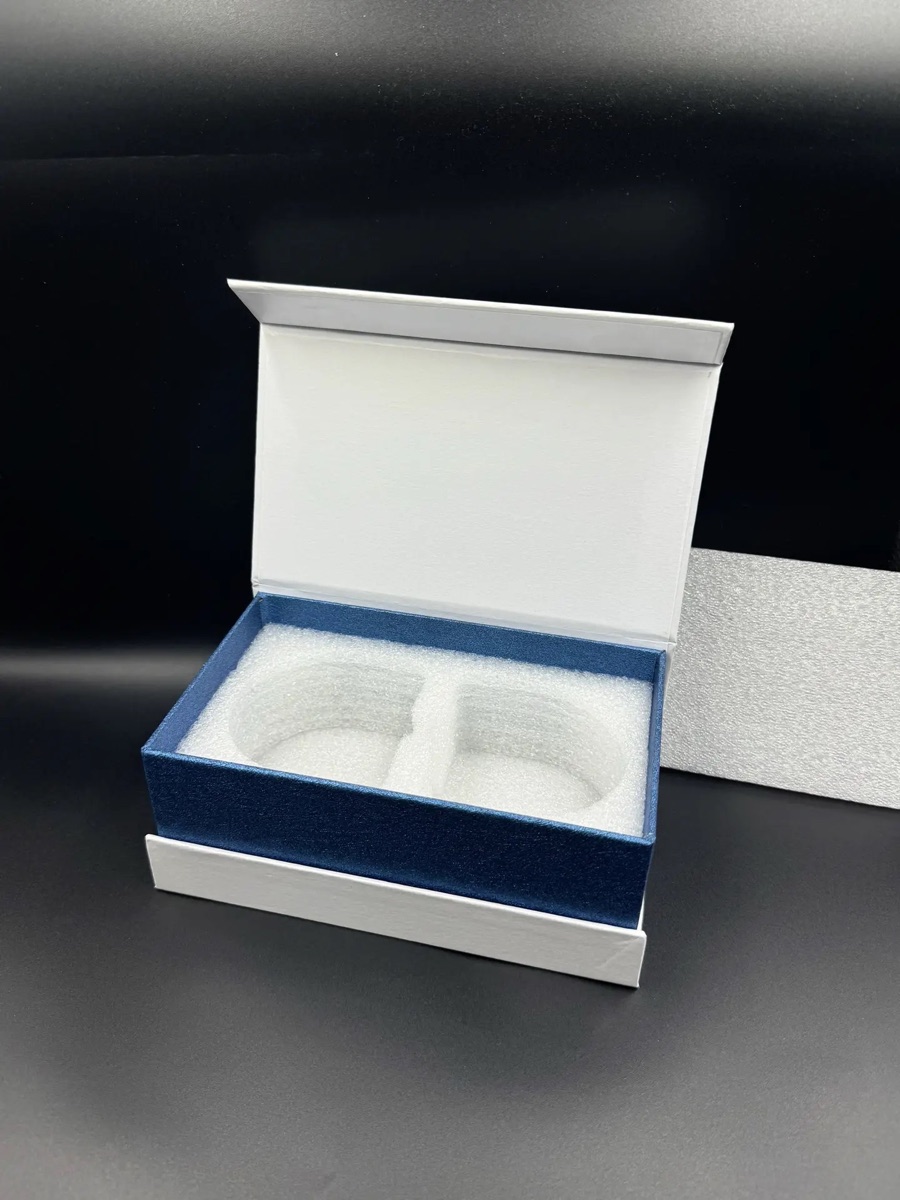
Reference the previous PO, configuration ID, drawing, artwork and sample evidence.
List quantity by size, product layout, artwork revision and Australian destination.
Mark each specification item unchanged, changed or still awaiting evidence.
Name the buyer approver, release date, open exceptions and current file set.
3. Evidence before release
A retained sample or prior production photograph can identify an approved reference. It does not prove a changed material, product, artwork or pack-out. Agree which new digital, structural, printed or loaded evidence is needed for the actual change.
Send the current reorder brief| Reorder situation | Buyer control |
|---|---|
| No declared specification change | Confirm the exact prior release and ask the supplier to identify any material, process or packing change before acceptance |
| Artwork-only change | Release the current dieline and artwork proof; confirm whether colour or finish evidence is affected |
| Product or insert change | Update dimensions and arrangement; review loaded fit, removal and box closure |
| Pack-out or receiver change | Trial the steps that changed and update component, carton, label and allocation records |
| Unresolved difference | Keep it open with an owner and required evidence instead of issuing a blanket approval |
A reusable reorder workflow
The result should be one current package that the buyer, manufacturer, packer and receiver can identify.
Collect the prior PO, released files, sample reference and carton record.
Check product, quantity, artwork, structure, pack-out and destination line by line.
Use only the digital or physical evidence needed to close each change.
Issue the current file set, mark superseded versions and record open exceptions.
Need a repeat-order review? Open the Australian custom packaging enquiry form → and include the prior order reference, current quantity, changes and destination postcode.
Reorder FAQs
Possibly, when the product, box, insert, artwork, finish, components, pack-out and supplier specification are unchanged and both parties confirm the exact prior approved version. A change in any fit, appearance or operating condition may require new evidence before release.
Changes to product dimensions or weight, structure, material, insert openings, artwork, mandatory copy, colour, finish, component count, packing method, master-carton basis or receiver requirements should be assessed against the approval they affect.
Identify the released drawing, artwork and sample references by configuration ID and revision, mark superseded files as retired, and send the current release set together rather than relying on the latest email attachment.