
Structure and dimensions
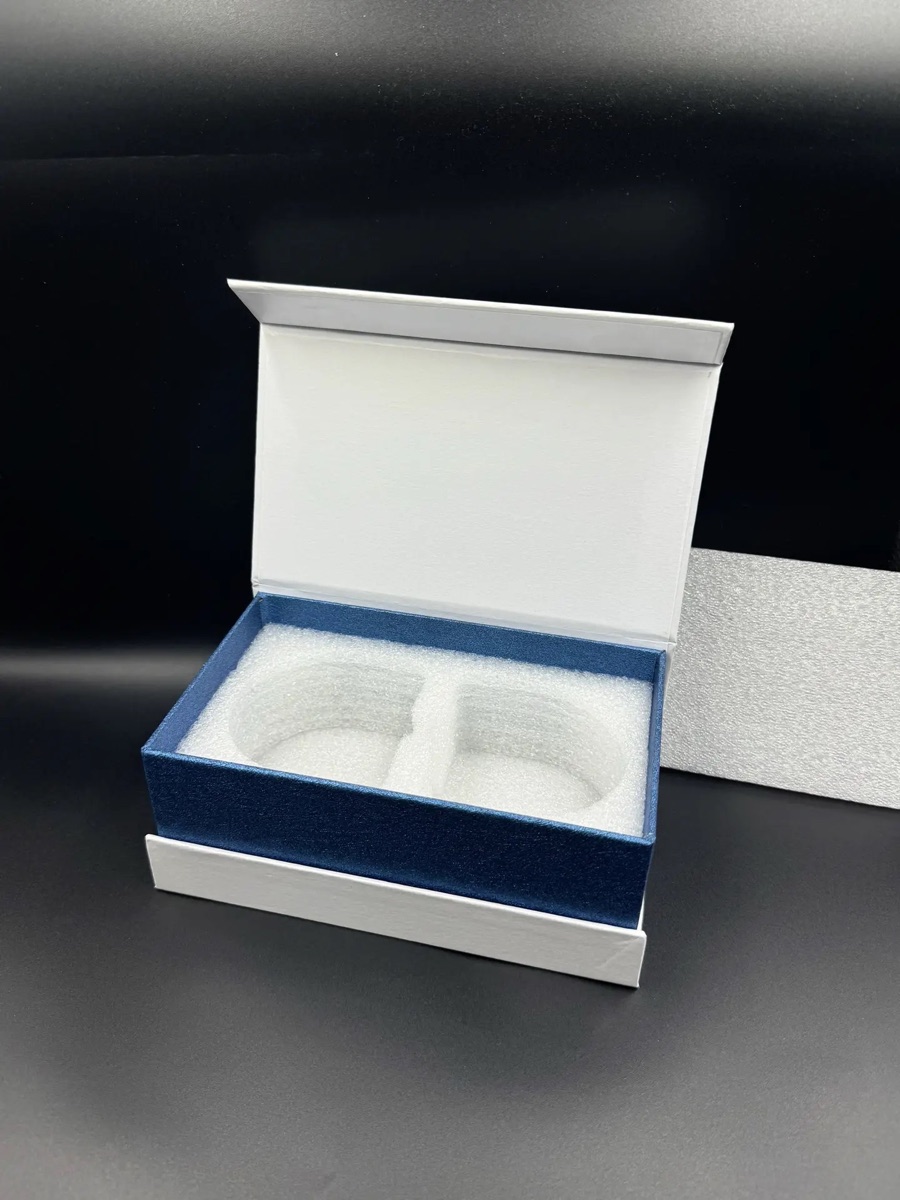
Check finished L × W × H, opening, closure, moving joints and the usable internal space.
Australian buyers · Sample evidence · Revision control
Approve the packaging version that will actually be produced. Separate layout, structure, loaded fit, finish and pack-out evidence, then record every open point before production release.
A physical sample is evidence for the conditions tested. It is not automatic approval of untested artwork, products, finishes, pack-out or delivery handling.
1. Match the sample to the decision
Ask what the evidence can prove before deciding whether another physical or loaded check is needed.
| Evidence | Useful for approving | Does not prove by itself |
|---|---|---|
| Digital rendering or proof | Copy, layout, artwork revision and proposed appearance | Physical fit, material feel, colour under agreed conditions or closure |
| Plain structural sample | Dimensions, opening, folding, insert geometry and basic closure | Final printing, colour, foil, coating or production-material appearance |
| Printed sample | Approved artwork on the agreed sample construction and finish direction | Fit of an absent product or an untested pack-out method |
| Loaded sample | Product position, retention, removal, lid closure and component sequence | Unrecorded product variants, transit performance or changed production files |
| Pilot carton record | Units per carton, orientation, inner protection and receiver-facing labels | Any destination service or handling condition not included in the test |
2. The approval record
Attach the same configuration ID to the drawing, artwork, physical sample, product arrangement and decision log.
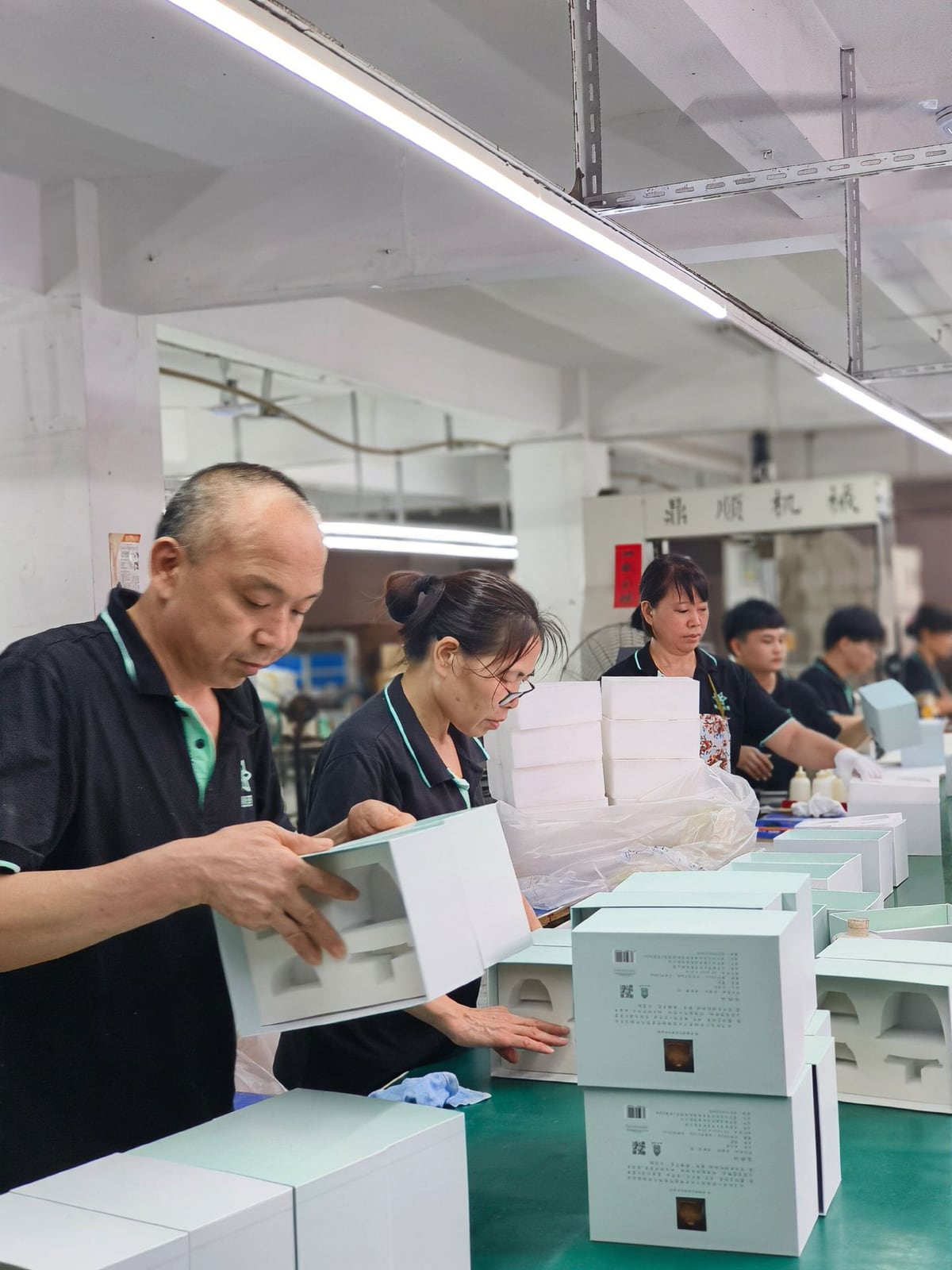
Check finished L × W × H, opening, closure, moving joints and the usable internal space.
Load the agreed product revision; check orientation, retention, finger access, surface contact and removal.
Identify the approved artwork file, mandatory copy, colour references, print, foil, coating and surface direction.
Record component sequence, units per carton, inner protection and any packer or receiver instructions supplied by the buyer.
3. Change control and production release
List every agreed difference between the reviewed sample and the intended production specification. A revised dimension, insert opening, artwork file, colour, finish or packing method needs a traceable decision before the production release is signed.
Send a controlled project brief| Release field | Record before production |
|---|---|
| Configuration ID | Box, insert, artwork, product and component versions covered |
| Approved evidence | Sample date, photographs, measurements and retained reference |
| Exceptions | Every accepted difference and the owner of the decision |
| Open points | Items still requiring evidence; not hidden inside a general approval |
| Release authority | Named buyer approver, date and the exact production files released |
A reusable approval workflow
Keep decisions specific, dated and attached to the version they cover.
State whether the review covers layout, structure, loaded fit, finish or pack-out.
Use the agreed product and record photos, measurements and exceptions.
Issue a new revision for every accepted change and retire superseded files.
Authorise the exact drawing, artwork, sample reference and packing record.
Ready to plan the sample around your product? Open the Australian custom packaging enquiry form → and share the product, quantity, structure and delivery postcode. For the next production run, use the Australian packaging reorder checklist → to compare the current order with this released version.
Sample approval FAQs
Approve the exact structure, dimensions, product fit, removal, box closure, artwork revision, colour and finish references, packing method and any written exceptions. Identify what remains open instead of treating one sample as approval of every production detail.
No. A digital proof can confirm layout, copy and revision control, but it cannot by itself confirm physical fit, material feel, closure, product removal or packed performance.
Issue a new revision, record the changed dimension, artwork, material or process, identify the evidence used to approve it and retire the superseded version before production release.